Parvati S Power
📜 Welcome to the ultimate guide on Parvati S Power – India's groundbreaking mythological role-playing game that has taken the nation by storm. Blending ancient Hindu mythology with immersive gameplay, this title lets players step into the divine world of Goddess Parvati, experiencing her strength, wisdom, and compassion across epic quests.
From the snowy peaks of Kailash to the bustling streets of Varanasi, Parvati S Power brings India's rich mythological heritage to life. Whether you're a devotee of Hindu gods or a gamer seeking a unique cultural experience, this game offers something truly special for every Indian player.

Overview of Parvati S Power
🌟 Launched in 2022 by Mythic Studios India, a Bangalore-based game development team, Parvati S Power was born from a simple idea: to create a game that honors Indian mythology without reducing it to stereotypes. Unlike Western games that often mishandle Eastern myths, this title was crafted with input from mythologists, cultural experts, and local storytellers from across India.
The game's narrative follows Parvati, the divine consort of Lord Shiva, but not as a mere side character. Instead, players experience her journey as an independent deity – from her birth as Sati, her rebirth as Parvati, her penance to win Shiva's heart, and her various incarnations like Durga and Kali. It's a story of feminine power, resilience, and divine love that resonates deeply with Indian audiences.
What makes Parvati S Power stand out is its commitment to authenticity. Every character, weapon, and location is rooted in ancient texts like the Puranas, Mahabharata, and local folklore. The developers even consulted with priests from major temples – from Kashi Vishwanath to Meenakshi Amman – to ensure religious accuracy and cultural respect.
Key Facts About Parvati S Power:
• Launch Year: 2022
• Available Platforms: Android, iOS, Windows PC
• Developer: Mythic Studios India (Bangalore)
• Genre: Mythological RPG, Action-Adventure
• Language Support: 15 Indian languages + English
• Age Rating: 12+ (mild fantasy violence)
🎮 The game's success lies in its ability to balance education with entertainment. While players battle demons and complete quests, they also learn about Indian philosophy, rituals, and moral values. It's not uncommon for parents to encourage their children to play Parvati S Power as a way to connect with their cultural roots.
Gameplay Mechanics of Parvati S Power
⚔️ Parvati S Power combines action-packed combat with deep role-playing elements, creating a gameplay experience that's both accessible to new players and challenging for veterans. Let's explore the core mechanics that make this game so engaging for Indian audiences:
Divine Forms and Abilities
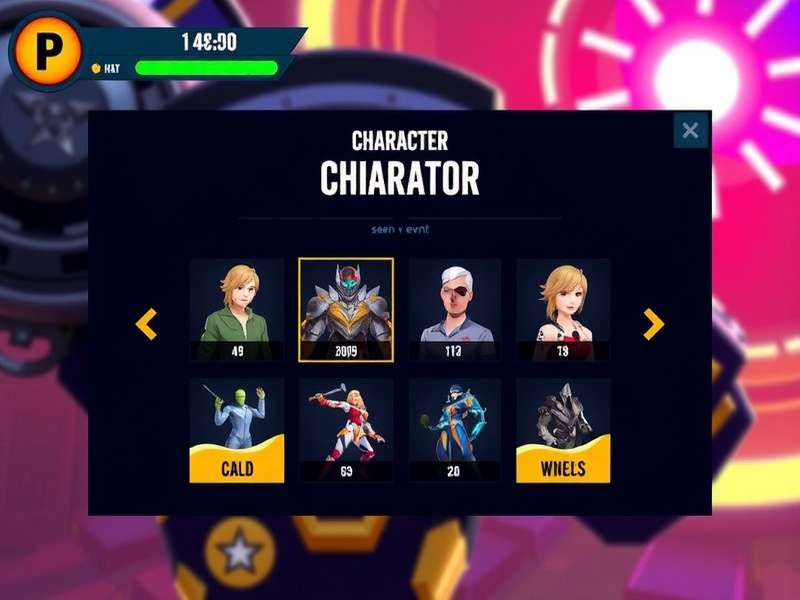
At the heart of the game is Parvati's ability to manifest in different divine forms, each with unique powers:
• Parvati (Peaceful Form): Heals allies, purifies cursed areas, and solves puzzles using wisdom. Ideal for non-combat quests and temple challenges.
• Durga (Warrior Form): Wields weapons like the trishul (trident) and chakra (discus) to battle demons. Specializes in crowd control and elemental attacks (fire, water, earth).
• Kali (Fierce Form): Unlocked during high-stakes battles. Delivers massive damage but consumes divine energy quickly. Her roar can stun even the strongest enemies.
• Annapurna (Nurturer Form): Creates food and resources to aid villages in distress. Essential for community quests and gaining favor with mortal characters.
Players must master switching between forms based on the situation – a mechanic that teaches players about the multifaceted nature of divine energy in Hindu philosophy.
Quests and Divine Missions
The game's quest system is divided into three main categories, each reflecting different aspects of Parvati's divine duties:
• Devine Quests: These推进 the main story, involving interactions with other gods (Shiva, Ganesha, Kartikeya) and battles against powerful asuras (demons) like Mahishasura and Tarakasura. These quests are epic in scale, often set in mythical locations like Mount Kailash and Swarga Loka.
• Mortal Quests: Parvati descends to Earth to help humans in need – from protecting a village from a drought to resolving a family conflict. These quests highlight her compassionate side and often include cultural lessons (e.g., explaining the significance of a local festival).
• Spiritual Quests: These focus on self-discovery, requiring players to meditate, solve riddles from the Upanishads, or perform virtual puja rituals. Completing them unlocks powerful blessings and enhances Parvati's divine abilities.
What Indian players love most is that quests are not just about fighting – many require diplomacy, wisdom, or even cooking (like preparing prasad for a temple event). This variety keeps gameplay fresh and aligns with the idea of dharma (duty) in Hindu philosophy.
Crafting and Devotion System
🔨 Parvati S Power features a unique crafting system based on traditional Indian arts:
• Players can collect materials like sandalwood, flowers, and precious stones to create puja items (incense, garlands, idols) that boost Parvati's powers.
• Crafting weapons like the trishul requires rare metals and divine blessings from other gods – often obtained through cooperative quests with friends.
The game's "Devotion System" is equally innovative. As players progress, they gain "bhakti points" by performing good deeds, helping villagers, and maintaining moral choices. These points can be spent to unlock new temples, where players can perform virtual aarti and receive special rewards.
Many Indian players have noted that performing these in-game rituals feels surprisingly authentic – from the correct pronunciation of mantras to the proper way to offer prasad. This attention to detail has earned the game praise from religious leaders and cultural commentators alike.
Open World Exploration
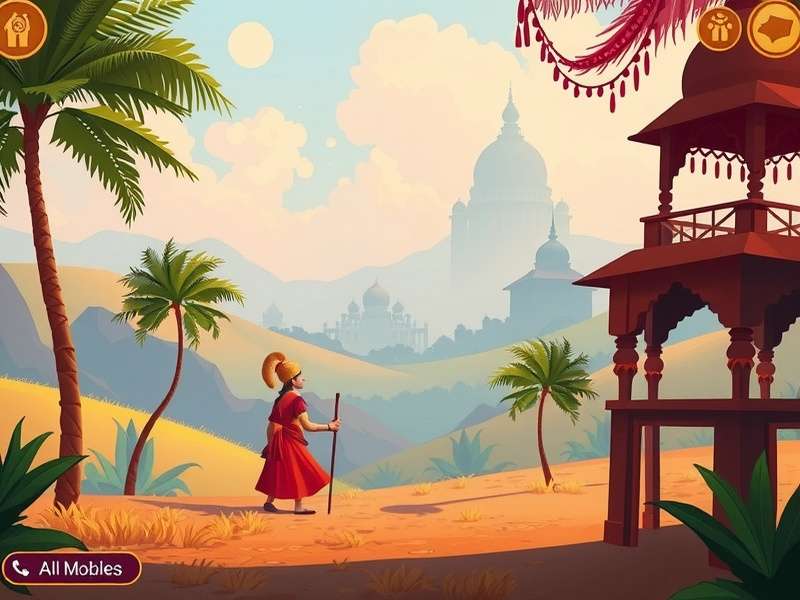
🗺️ The game world is a vast, open representation of ancient India, divided into five major regions, each with distinct landscapes, cultures, and challenges:
• Himalayan Region: Snowy peaks, caves, and the abode of Shiva. Home to yetis, divine sages, and ice-based puzzles.
• Ganges Valley: Fertile plains with villages, temples, and river-based quests. Features festivals like Chhath Puja and Ganga Aarti.
• Deccan Plateau: Dry forests and rocky terrain. Inspired by South Indian mythology, with temples dedicated to Parvati's regional forms like Meenakshi.
• Coastal Regions: Beaches and backwaters where Parvati takes on ocean-related forms. Features fishing villages and sea god interactions.
• Desert Regions: Arid lands with ancient forts and nomadic communities. Focuses on survival quests and stories of perseverance.
Exploration is rewarded with hidden lore, rare crafting materials, and side quests that delve into local myths. For example, wandering the forests of Kerala might lead you to a village celebrating Onam, where Parvati must help prepare a sadya (feast) to honor King Mahabali.
Localization of Parvati S Power in India
🌍 One of the biggest reasons for Parvati S Power's widespread success in India is its exceptional localization. The developers understood that a game rooted in Indian mythology needed to speak to players in their own languages and reflect their regional cultures. Here's how they achieved this:
Language Support
Unlike many games that offer only Hindi and English, Parvati S Power supports 15 Indian languages, ensuring that players from Kashmir to Kanyakumari can enjoy the game in their mother tongue:
• Hindi (with variations for Uttar Pradesh, Bihar, Rajasthan)
• Bengali
• Tamil
• Telugu
• Marathi
• Gujarati
• Punjabi
• Kannada
• Malayalam
• Odia
• Assamese
• Kashmiri
• Nepali (for players in Sikkim and Uttarakhand)
• Konkani
• Manipuri
What's impressive is that the localization goes beyond simple translation. Dialogue uses region-specific idioms and honorifics. For example, in the Tamil version, Parvati addresses elders as "annachi" or "akka," while in the Punjabi version, she uses "ji" as a sign of respect. Mantras and chants are preserved in their original Sanskrit but with phonetic guides in each language to help players pronounce them correctly.
Regional Content Variations
Parvati S Power doesn't just translate text – it adapts content to reflect regional traditions, making the game feel personal to players across India:
North Indian Version
Focused on the Himalayas and Ganges plains, this version includes:
• Special quests for festivals like Karva Chauth, where Parvati helps a mortal woman perform the ritual for her husband's long life.
• Local deities like Maa Vaishno Devi making guest appearances.
• Traditional music using instruments like the shehnai and dholak during celebrations.
• Food items like laddoos and poori in village scenes, with Parvati often participating in making them.
South Indian Version
Tailored for Tamil Nadu, Karnataka, Kerala, and Andhra Pradesh:
• Parvati appears as Meenakshi (Madurai), Kamakshi (Kanchipuram), and Rajarajeshwari (Kerala) in regional quests.
• Festivals like Pongal, Onam, and Dussehra (with Mysuru-style celebrations) are featured prominently.
• Temple architecture reflects Dravidian styles, with gopurams and mandapams accurate to specific locations.
• Carnatic music and Bharatanatyam-inspired dance animations during divine celebrations.
East Indian Version
Catering to Bengal, Odisha, and Assam:
• Durga Puja is a major in-game event, with players helping build pandals and participate in sindoor khela.
• Parvati's Bengali form, Uma, interacts with local deities like Kali (in her more benevolent form) and Manasa Devi.
• Odia quests include Rath Yatra preparations, with Parvati assisting in building chariots for Jagannath.
• Bihu celebrations in Assam, with Parvati joining in traditional dances and agricultural rituals.
West Indian Version
For Maharashtra, Gujarat, and Goa:
• Navratri is a highlight, with Parvati performing garba and dandiya dances to defeat demons.
• Ganesh Chaturthi quests where Parvati helps villagers prepare for the festival and bid Ganesh farewell.
• Goan villages feature Parvati in her role as a protector of fishermen, with unique sea-based quests.
• Local snacks like vada pav (Maharashtra), dhokla (Gujarat), and bebinca (Goa) appear in village scenes.
Players can switch between regional versions at any time, allowing them to experience India's cultural diversity. Many players enjoy replaying quests in different regional settings to see how stories and traditions vary across the country.
Downloads and Player Base in India
📈 Since its launch in 2022, Parvati S Power has achieved remarkable success in India, becoming one of the most downloaded mythological games in the country's history. Let's dive into the numbers that tell this success story:
Parvati S Power Download Statistics in India (as of October 2025):
• Total Downloads: 12.4 million
• Android: 9.8 million (Google Play Store)
• iOS: 2.1 million (Apple App Store)
• PC: 500,000+ downloads
• Monthly Active Users (MAU): 3.7 million
• Average Daily Play Time: 53 minutes
• Player Retention Rate: 68% (far above the 45% average for Indian mobile games)
Regional Popularity
The game's popularity is spread across India, with some states showing particularly strong engagement:
• Uttar Pradesh: 2.9 million downloads (highest in India)
• Tamil Nadu: 2.1 million downloads
• Maharashtra: 1.8 million downloads
• West Bengal: 1.5 million downloads
• Karnataka: 1.2 million downloads
What's interesting is the game's popularity in both urban and rural areas. Urban players (58%) appreciate the game's high production values and cultural education, while rural players (42%) connect with its familiar myths and regional references. In states like Bihar and Jharkhand, where mobile gaming penetration is growing rapidly, Parvati S Power has become a cultural phenomenon, with village youth organizing local tournaments.
Demographic Breakdown
📊 Parvati S Power has attracted a diverse player base, breaking stereotypes about who plays mobile games in India:
• Age: 13-22 years (41%), 23-35 years (34%), 36-50 years (18%), 50+ years (7%) – a higher proportion of older players than most games, thanks to its cultural appeal.
• Gender: Female (52%), Male (48%) – nearly gender-balanced, which is rare for action-RPGs in India. Many women players cite Parvati as a positive role model of feminine strength.
• Occupation: Students (45%), Professionals (22%), Homemakers (18%), Teachers (7%), Others (8%).
Education institutions have even started using Parvati S Power as an educational tool. Several schools in Tamil Nadu and Gujarat have incorporated the game into their cultural studies curriculum, using its quests to teach students about mythology and regional traditions.
Download Parvati S Power NowPlayer Reviews and Feedback in India
⭐ Parvati S Power has received exceptional reviews from Indian players, with an average rating of 4.7/5 across all platforms. Let's look at some genuine player feedback that highlights why the game has struck such a chord:
"As a Bengali girl studying in Delhi, Parvati S Power makes me feel connected to my roots. The Durga Puja quests are so accurate – from the way the pandals are decorated to the sindoor khela at the end. My mother watches me play and tells me stories about how she used to celebrate in Kolkata. It's like having a piece of home with me."
– Priyanka Banerjee, 21, Delhi (Google Play Review)
"I'm a history teacher in Chennai, and I recommend this game to all my students. The way Parvati S Power explains the stories of Meenakshi and Sundareshwarar is better than any textbook. The Tamil voice acting is perfect – no fake accents, just natural speech. My students now ask more questions about our mythology because of this game!"
– Karthik Subramanian, 38, Chennai (Apple App Store Review)
"Being a Punjabi, I was worried the game would focus only on North Indian myths, but I was wrong! The regional versions are amazing. I loved playing the Gujarati version during Navratri – the garba animations are so realistic. My daughter (10) now knows more about other Indian cultures because she keeps switching versions to see different festivals."
– Amandeep Kaur, 34, Ludhiana (Google Play Review)
"Finally, a game that shows our goddesses as powerful, not just pretty! Parvati S Power gets Durga's strength right – she's fierce when needed but also kind. The spiritual quests have taught me mantras I now use in my daily puja. My grandmother says it's 'divine entertainment' – high praise from her!"
– Anjali Patel, 27, Ahmedabad (Google Play Review)
"I downloaded Parvati S Power for my son, but now I'm hooked! The open world is beautiful – exploring the Himalayan regions feels like visiting Uttarakhand. The crafting system is clever too – my son now knows how to make a proper aarti thali because of the game. We play together every evening – it's become our family time."
– Rajesh Sharma, 45, Dehradun (Apple App Store Review)
Common Praise Points
Players consistently highlight these aspects of Parvati S Power:
• Authentic representation of Indian mythology without stereotypes or inaccuracies.
• High-quality regional language support that feels natural, not translated.
• Positive portrayal of feminine power, which many female players appreciate.
• Educational value – parents and teachers praise it for teaching mythology and culture.
• Respectful treatment of religious rituals, which has earned trust from diverse communities.
• Stunning visuals that bring Indian landscapes and deities to life.
Areas for Improvement
While feedback is overwhelmingly positive, players have suggested some enhancements:
• More regional variations, especially for smaller states like Goa and Sikkim.
• Offline mode improvements for players in rural areas with poor internet.
• Multiplayer co-op quests where friends can team up as different gods.
• Reduced data usage for updates, which can be expensive for players on limited plans.
The developers have been responsive, releasing updates that address these concerns. The 2024 update introduced a "Lite Mode" that reduces data usage by 40% and added new content for Northeast India, much to the delight of players in that region.
Indian Player Guides for Parvati S Power
📚 Indian players have developed a wealth of strategies and tips for mastering Parvati S Power, tailored to the game's unique mechanics and regional nuances. Here are some essential guides from the community:
Beginner's Guide: Starting Your Divine Journey
New to Parvati S Power? Follow these tips from experienced Indian players to get off to a strong start:
1. Master form switching early – Don't get stuck using just one form! Practice switching between Parvati (healing) and Durga (combat) during your first quests. This will make later challenges much easier.
2. Complete mortal quests first – These are easier than divine quests and help you earn bhakti points quickly. More bhakti means better blessings and faster progress.
3. Learn the mantras – The game's voice actors pronounce mantras correctly, so listen carefully! Chanting them during puja quests gives better rewards. Many players even use the in-game audio to learn real-life mantras.
4. Explore thoroughly – Hidden chests with rare materials are often near temples and sacred trees. Take time to explore each area – especially near rivers and mountains, which are considered sacred in Hinduism.
5. Participate in daily pooja – The daily pooja event (available 6-8 AM and 6-8 PM in-game) gives free rewards. Set a reminder to do this – it adds up over time!
Advanced Strategy: Maximizing Divine Power
For players looking to take their game to the next level, here are some pro tips from top Indian players:
1. Specialize in two forms – While it's good to be versatile, focusing on two forms (e.g., Durga and Kali for combat, Parvati and Annapurna for support) lets you master their abilities faster. This is crucial for end-game boss battles.
2. Time quests with real festivals – The game often runs special events during real Indian festivals (Diwali, Holi, etc.). Completing related quests during these times gives 2x rewards. Plan your gameplay around these dates!
3. Craft region-specific items – Items made with regional materials (e.g., sandalwood from Karnataka, roses from Uttar Pradesh) are more powerful in their home regions. Craft a set for each area you explore.
4. Build relationships with NPC gods – Helping other gods (like Ganesha with his mouse problems or Kartikeya with his army training) unlocks powerful alliances. These gods will come to your aid during tough battles.
5. Study the map for ley lines – Sacred energy lines run through the game world, marked on the map with faint gold lines. Standing on these lines while using abilities increases their power significantly.
Regional Tips: Mastering Your Version
Different regional versions of Parvati S Power require unique strategies. Here's what top players from each region recommend:
• North India: Focus on building cold resistance gear for Himalayan quests. During Karva Chauth events, prioritize protecting mortal characters – their gratitude gives massive bhakti boosts.
• South India: Learn temple puzzle patterns – many are based on real South Indian temple architecture. During Pongal, stock up on sugarcane – it's used in multiple quests and crafting recipes.
• East India: Master water-based abilities for river quests. Durga Puja events require quick reflexes – practice timing your attacks to match the drum beats in the background music.
• West India: Navratri events have rhythm-based challenges – listen to the garba music to time your button presses perfectly. Stock up on grains during harvest festivals for Annapurna form quests.
• Northeast India: Bamboo is a crucial crafting material here – always collect it when you see it. Bihu dance events require precise movement – watch the NPCs' steps to learn the patterns.
Local Events and Celebrations in Parvati S Power
🎉 One of the most beloved features of Parvati S Power is its celebration of Indian festivals and local events. These limited-time events not only offer unique rewards but also educate players about India's rich cultural heritage:
Major Festival Events
• Diwali Celebration: For 10 days around Diwali, the game world is lit with diyas and rangolis. Players help Parvati defeat the demon Narakasura, light virtual diyas in villages, and prepare sweets like laddoo and barfi. Completing Diwali quests earns the "Lakshmi's Blessing" buff, which increases loot quality for a month.
• Durga Puja: This 9-day event is one of the most elaborate in the game. Players build pandals, participate in aarti, and finally battle Mahishasura on Vijayadashami. The highlight is the sindoor khela minigame on the last day, where players throw colored powder at each other for rewards.
• Navratri & Dussehra: Different regions celebrate differently – Gujarat-focused events feature garba dance battles, while Mysuru-based quests involve building a virtual Mysore Palace and participating in the Dasara procession. All versions end with the burning of Ravana effigies, which is a spectacular in-game event.
• Pongal & Makar Sankranti: South Indian servers celebrate Pongal with rice-cooking competitions and Jallikattu-inspired minigames. North Indian servers focus on Makar Sankranti, with kite-flying challenges where players must "cut" other kites to win rewards.
• Holi: The game world transforms with vibrant colors during this 3-day event. Players collect natural dyes, participate in water fights with NPCs, and help Parvati spread joy in villages. The final day features a grand Holi feast with regional delicacies from across India.
Regional Special Events
Parvati S Power also features events that celebrate region-specific traditions, letting players experience India's diversity:
• Onam (Kerala): Players help prepare a virtual sadya (feast with 26 dishes), participate in Vallamkali (boat races), and wear traditional mundu and neriyathu. Completing all Onam quests unlocks Parvati's Kerala form, adorned with kasavu saree.
• Chhath Puja (Bihar/Jharkhand): This event focuses on rituals dedicated to the sun god. Players help villagers build ghats, prepare prasad (thekua), and perform the arghya (offering) at sunrise and sunset. Rewards include powerful sun-based abilities for Parvati.
• Ganesh Chaturthi (Maharashtra): Players collect clay to build Ganesh idols, participate in processions, and finally immerse the idols in water bodies. The event features beautiful Mumbai-inspired streets and local music, with Ganesh himself making a guest appearance.
• Bihu (Assam): This agricultural festival features dance minigames, cattle races, and bamboo craft challenges. Players learn about Assamese farming practices and can unlock a special "Bihu Parvati" skin with traditional mekhela chador attire.
Divine Celebrations
Beyond human festivals, the game also celebrates important divine events from Hindu mythology:
• Parvati's Marriage: A week-long event celebrating Parvati and Shiva's wedding. Players help prepare for the ceremony, collect wedding gifts from other gods, and witness the divine wedding. Rewards include powerful "Shiva-Parvati" synergistic abilities.
• Ganesha Chaturthi: Focused on Parvati's son, Ganesha. Players help solve puzzles (Ganesha's favorite activity), feed him modaks, and listen to stories about his birth. Unlocks Ganesha as a companion for certain quests.
• Durga's Victory: Commemorates Durga's defeat of Mahishasura. Features epic boss battles with increasing difficulty, culminating in a 100-player cooperative fight against a giant Mahishasura. The winning server gets a special "Victory Flag" that grants bonuses for a month.
Login to Join Ongoing EventsCommunity Discussions and Player Culture
👪 Parvati S Power has fostered a vibrant and passionate community of Indian players who share their love for the game and mythology across various platforms. Here's a look at how the community thrives:
In-Game Community Features
The game includes several features that encourage players to connect and collaborate:
• Devotional Circles: Players can form groups of up to 50 members, called "satsangs," to complete cooperative quests. Satsangs often focus on regional events – for example, a Bengali satsang might specialize in Durga Puja quests.
• Temple Donations: Players can contribute resources to build and upgrade in-game temples. Each temple is dedicated to a form of Parvati, and upgrading it unlocks special rewards for all players who contributed.
• Story Sharing: A in-game forum where players can share their favorite mythological stories related to Parvati. The best stories are sometimes adapted into new side quests by the development team.
• Regional Competitions: Monthly events where players from different states compete in region-specific challenges. The winning state's culture gets featured in the game for the next month.
External Community Hubs
Beyond the game, Parvati S Power communities have flourished on social media and gaming platforms:
• Facebook Groups: Regional groups like "Tamil Parvati S Power Players" and "Bengali Durga Puja in Parvati Game" have tens of thousands of members. These groups organize virtual events, share tips, and even arrange real-life meetups during festivals.
• YouTube Channels: Popular Indian gaming YouTubers like MythicGamer and DeviPlays have dedicated channels to the game, with videos ranging from quest walkthroughs to deep dives into the mythology behind each character. Some videos even feature interviews with the game's developers and mythologists.
• Reddit Community: The r/ParvatiSPower subreddit has over 120,000 members who discuss updates, share fan theories, and post stunning screenshots of the game's landscapes. Weekly "Mythology Monday" threads teach players about the real stories behind the game's quests.
• WhatsApp Groups: Local groups are extremely popular, especially in small towns. These groups often coordinate to complete in-game events that require many players, like the Durga vs. Mahishasura cooperative battle.
Fan Content and Creativity
Indian players have expressed their love for Parvati S Power through incredible creative works:
• Fan Art: Players create stunning illustrations of Parvati's various forms, often blending in-game designs with traditional art styles like Madhubani, Tanjore, and Warli. The developers feature the best fan art in loading screens during festivals.
• Cosplay: At Indian gaming conventions like India Game Expo, Parvati S Power cosplay is everywhere. Players spend months creating elaborate costumes of Durga, Kali, and other forms, with some even winning national cosplay competitions.
• Music Covers: The game's soundtrack, which features traditional Indian instruments and chants, has inspired many players to create their own covers. Some talented musicians have even performed these covers at local temple events.
• Real-Life Events: The community has organized real-world events inspired by the game, including: - Temple clean-up drives (modeled after in-game cleanliness quests) - Inter-community festivals where players from different regions share food and traditions - Mythology workshops for children, led by knowledgeable players
Future Updates and Roadmap
🚀 The developers of Parvati S Power have released an exciting roadmap for the coming years, based on player feedback and their vision to expand the game's mythological universe:
Upcoming Features (2026)
• New Divine Forms: Adding three new forms of Parvati – Kamakshi (Tamil Nadu), Ambika (Himachal Pradesh), and Chandi (Odisha) – each with unique abilities tied to their regional myths.
• Multiplayer Temples: Allowing players to build and manage communal temples with friends, where they can perform joint pujas and earn special rewards. These temples will be visible to all players in the game world.
• Mythology Expansion: Introducing stories from the Devi Bhagavatam, with new quests featuring Parvati's battles against powerful demons like Shumbha and Nishumbha.
• VR Compatibility: A limited VR mode for PC players, letting them experience key moments like Parvati's wedding and Durga's battle in immersive virtual reality. This mode will include virtual aarti experiences in famous temples.
• Regional Mini-Games: Adding more region-specific minigames, like Kalaripayattu (Kerala) combat training, Gatka (Punjab) weapon mastery, and Chhau (Jharkhand) dance battles.
Long-Term Plans (2027-2029)
The development team has shared ambitious plans for the next few years, aiming to make Parvati S Power the definitive Indian mythological gaming experience:
• Gods Expansion: Introducing other female deities like Saraswati, Lakshmi, and Radha as playable characters in special events, each with their own storylines and abilities.
• Educational Partnerships: Collaborating with state governments and educational boards to create a "Mythology Learning Mode" that turns the game into an interactive textbook for schools. This mode will include quizzes, explanations, and historical context for all in-game events.
• Animated Series: A 10-episode animated series based on the game's storyline, produced in collaboration with Indian animation studios. The series will feature voice acting from popular regional actors and will be released in multiple Indian languages.
• Cultural Preservation Project: Using a portion of game proceeds to fund real-world projects preserving Indian cultural heritage – from temple restoration to documenting oral mythological stories from rural areas.
• International Version: A carefully localized international version aimed at introducing Indian mythology to global audiences, with cultural context explanations to help non-Indian players understand the significance of rituals and stories.
Why Parvati S Power Resonates with Indian Players
❤️ What makes Parvati S Power more than just a game for millions of Indian players? It's the deep emotional and cultural connection that sets it apart from other titles:
For many players, the game is a way to reconnect with traditions they may have lost touch with. In fast-paced urban life, where young Indians often don't have time for traditional rituals, Parvati S Power offers a way to engage with their heritage in a format they enjoy – gaming.
The game's positive portrayal of feminine power has struck a chord with Indian women, who rarely see strong, multi-dimensional female characters in games. Parvati is shown as powerful yet compassionate, fierce yet nurturing – a reflection of the complex roles women play in Indian society.
Parents appreciate that Parvati S Power is a game they can feel good about their children playing. Unlike many games that feature mindless violence or inappropriate content, this title teaches values like dharma (duty), ahimsa (non-violence), and seva (service to others) through its quests and storylines.
In a country as diverse as India, where regional cultures can sometimes create divides, Parvati S Power brings people together. A player in Punjab can learn to appreciate the beauty of Onam in Kerala; a player in Assam can understand the significance of Diwali in North India. The game fosters a sense of national unity by celebrating what makes each region unique while highlighting the common threads of Indian culture.
Perhaps most importantly, Parvati S Power treats Indian mythology with the respect and depth it deserves. It doesn't reduce ancient stories to simple tropes but instead invites players to explore their richness and relevance to modern life. In doing so, it's not just entertaining – it's helping preserve and pass on India's cultural heritage to a new generation.
Download Parvati S Power Today Login to Continue Your Divine Journey